Digital Marketing for Logistics Companies: How to Attract More Clients Online
Hai••4 min read
The way businesses find freight forwarders and logistics partners has changed. If your company isn’t visible when potential clients are searching, you’re missing opportunities. Here’s how to navigate the digital landscape and grow your business.
The freight and logistics industry has traditionally relied on relationships, referrals, and reputation to win new business. These foundations remain important, but the way potential clients find and evaluate service providers has fundamentally shifted.
Today, when a business needs a freight forwarder, customs broker, or supply chain partner, their first action is almost always an online search. If your company isn’t appearing in those search results, you’re not even entering the consideration set.
Consider the typical journey of an Australian importer looking for a freight partner. They search for terms like “freight forwarder Melbourne” or “customs broker Australia.” They review the websites that appear on the first page of results. They compare services, read testimonials, and assess credibility.
Only then do they reach out to shortlisted providers.
Research consistently shows that B2B buyers complete a significant portion of their research online before ever making contact. Your website, search rankings, and online reputation are forming first impressions long before you have the opportunity to speak with prospects directly.
Search engine optimisation (SEO) is the practice of improving your website’s visibility in organic search results. For freight and logistics companies, effective SEO means appearing when potential clients search for the services you offer, whether that’s air freight, sea freight, customs clearance, project logistics, or industry-specific shipping solutions.
A comprehensive SEO strategy includes several key components.
Technical optimisation ensures search engines can properly crawl and index your website, understanding your services and geographic coverage.
Content development demonstrates your expertise in areas like customs compliance, industry regulations, and supply chain best practices. Quality content builds trust and positions your company as an authority.
Local SEO captures businesses searching for freight services in specific cities or regions. This is critical for forwarders with offices across multiple locations.
Authority building through quality backlinks from industry publications, partners, and relevant business directories strengthens your domain’s credibility.
While SEO builds long-term organic visibility, Google Ads provide immediate presence for high-intent searches. When a business urgently needs a freight solution or is actively comparing providers, appearing at the top of search results delivers qualified leads directly.
Effective Google Ads management requires understanding the specific terms your ideal clients use, crafting compelling ad copy that differentiates your services, and optimising campaigns for lead quality, not just volume.
The way people search is evolving. AI-powered tools and answer engines are changing how users find information online. Businesses that optimise for these emerging platforms now will have a significant advantage as adoption grows.
This means ensuring your content answers questions directly, is structured for AI readability, and positions your business as a trusted source of information in your industry.
The logistics businesses seeing the strongest online growth are those combining operational excellence with strategic digital marketing. Companies like Magellan Logistics, one of Australia’s leading locally-owned freight forwarders, demonstrate what’s possible when expertise meets visibility. With services spanning air freight, sea freight, customs clearance, and specialist solutions for industries like fashion, construction and project logistics, they’ve built a strong online presence that reflects their capabilities and positions them where potential clients are searching.
This approach – ensuring your digital footprint matches the quality of your service – is what separates growing logistics businesses from those being left behind.
For freight and logistics businesses looking to strengthen their online presence, consider these starting points:
Audit your current website. Does it clearly communicate your services, coverage areas, and competitive advantages? Is it mobile-friendly and fast-loading?
Assess your search visibility. When potential clients search for services you offer, does your business appear? What keywords are you ranking for, and where are the gaps?
Evaluate your content. Do you have resources that demonstrate your expertise and help potential clients understand the value you provide?
Review your online reputation. What do Google reviews and industry directories say about your business?
In a competitive market, standing still means falling behind. The logistics businesses that will thrive in the coming years are those that combine operational excellence with strategic marketing, putting themselves in front of the right prospects at the right time.
Digital marketing isn’t just about being found online. It’s about building a sustainable pipeline of qualified opportunities that allows your business to grow.
At Integral Media, we’ve been helping Australian businesses strengthen their online presence for over a decade. Our approach covers search visibility (both traditional SEO and emerging AI-powered search), targeted Google Ads campaigns, and lead nurture strategies that turn enquiries into clients. If you’re in the logistics sector and want to attract more of the right customers online, get in touch with our team to discuss how we can help.

Written by
The construction technology space in Australia has grown rapidly over the past few years. From procurement to safety to quality assurance, there is no shortage of startups building tools to digitise the way projects are delivered. But despite all that […]
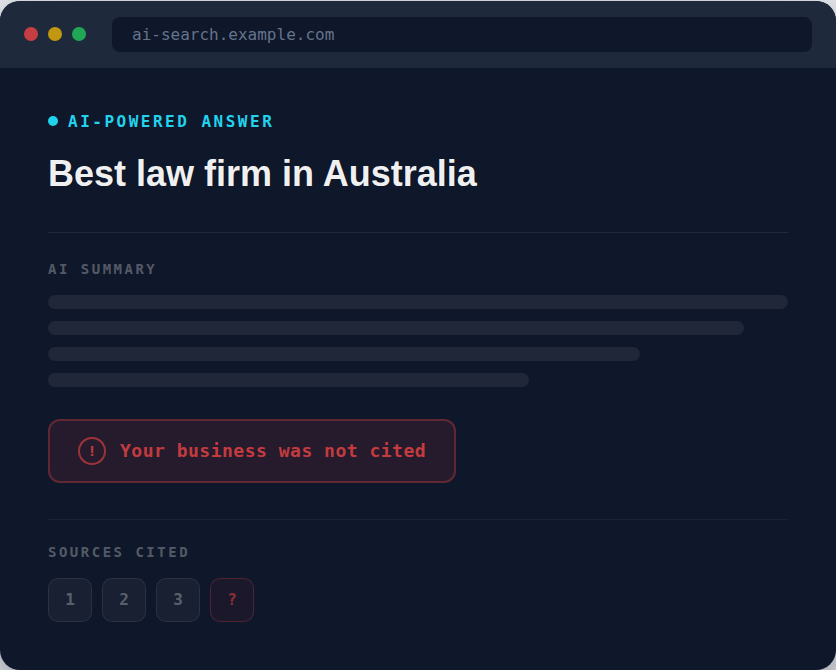
AI-powered search tools like ChatGPT, Google AI Overviews, and Perplexity are changing how customers find businesses. Here is what Generative Engine Optimisation (GEO) means for Australian businesses and what you need to do to stay visible.
AI marketing works best when the foundations are right. Here are five signs your business is ready to make the switch, and how to do it without disrupting what is already working.